
Contents
- 🎵 Origins & History
- ⚙️ How It Works
- 📊 Key Facts & Numbers
- 👥 Key People & Organizations
- 🌍 Cultural Impact & Influence
- ⚡ Current State & Latest Developments
- 🤔 Controversies & Debates
- 🔮 Future Outlook & Predictions
- 💡 Practical Applications
- 📚 Related Topics & Deeper Reading
- Frequently Asked Questions
- Related Topics
Overview
Machine learning has many practical applications, including image classification and natural language processing. The Spark Ecosystem community has hosted several machine learning-related events, including the annual Machine Learning Summit.
🎵 Origins & History
Origins paragraph — The history of machine learning is complex and multifaceted. While it is difficult to pinpoint an exact origin, machine learning has become a key area of research and development in the tech industry.
⚙️ How It Works
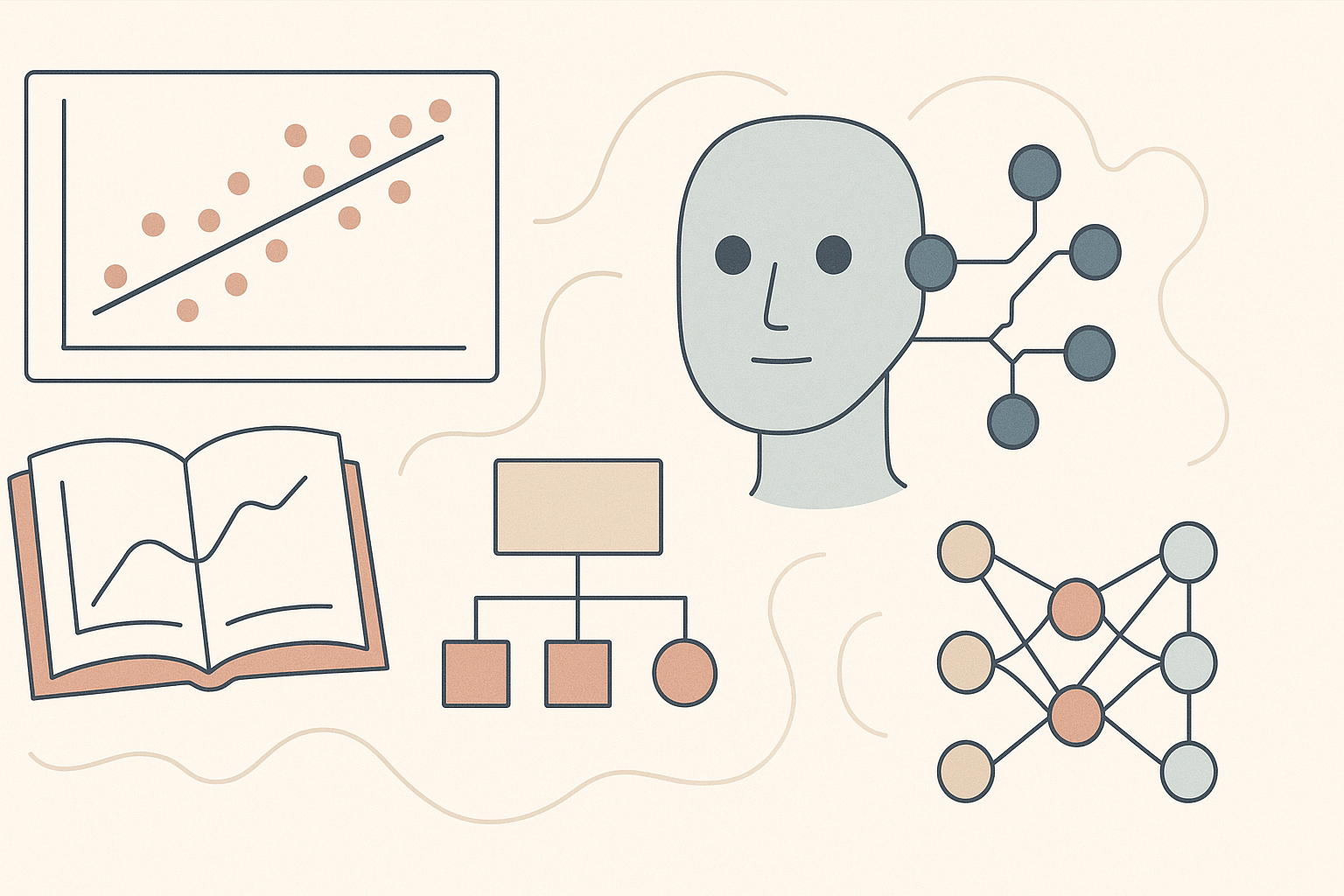
How it works — Machine learning algorithms can be broadly categorized into supervised, unsupervised, and reinforcement learning. Supervised learning involves training models on labeled data, while unsupervised learning focuses on discovering patterns in unlabeled data. Reinforcement learning, on the other hand, involves training models to make decisions based on rewards or penalties.
📊 Key Facts & Numbers
Key facts — Machine learning has many practical applications, including image classification, natural language processing, and predictive analytics. The Spark Ecosystem community has developed a range of tools and frameworks to support machine learning.
👥 Key People & Organizations
Key people — The Spark Ecosystem community is home to many experts and researchers working on machine learning-related projects. These individuals have made significant contributions to the field, including the development of new algorithms and models.
🌍 Cultural Impact & Influence
Cultural impact — Machine learning has had a significant impact on popular culture, with many films and TV shows exploring the possibilities and risks of artificial intelligence. The Spark Ecosystem community has also been at the forefront of promoting diversity and inclusion in machine learning.
⚡ Current State & Latest Developments
Current state — The current state of machine learning is characterized by rapid innovation and adoption, with many organizations leveraging machine learning to drive business growth and social impact. The Spark Ecosystem community is playing a key role in shaping the future of machine learning.
🤔 Controversies & Debates
Controversies — Despite the many benefits of machine learning, there are also concerns about its potential risks and limitations. The Spark Ecosystem community has been at the forefront of addressing these concerns, with many members working on projects related to bias detection and mitigation.
🔮 Future Outlook & Predictions
Future outlook — The future of machine learning is exciting and uncertain, with many potential applications and risks on the horizon. The Spark Ecosystem community is well-positioned to play a leading role in shaping the future of machine learning.
💡 Practical Applications
Practical applications — Machine learning has many practical applications, including image classification, natural language processing, and predictive analytics. The Spark Ecosystem community has developed a range of tools and frameworks to support machine learning.
Key Facts
- Year
- 2020
- Origin
- Global
- Category
- innovation
- Type
- concept
Frequently Asked Questions
What is machine learning?
Machine learning is a field of study that focuses on the development and study of statistical algorithms that can learn from data and generalize to unseen data.
How does machine learning work?
Machine learning algorithms can be broadly categorized into supervised, unsupervised, and reinforcement learning. Supervised learning involves training models on labeled data, while unsupervised learning focuses on discovering patterns in unlabeled data. Reinforcement learning, on the other hand, involves training models to make decisions based on rewards or penalties.
What are the benefits of machine learning?
Machine learning has many benefits, including the ability to automate tasks, improve decision-making, and drive business growth. It also has the potential to improve healthcare outcomes, enhance customer experiences, and optimize supply chains.
What are the risks and limitations of machine learning?
Machine learning also has several risks and limitations, including the potential for bias and discrimination, the risk of job displacement, and the need for large amounts of data to train models. Additionally, machine learning models can be vulnerable to cyber attacks and data breaches.